

AI automation
Hire an AI automation specialist to build and look after your workflows
An AI automation specialist is a person who turns a repeated task into a workflow that runs without being asked, then looks after it. You hire them as a remote member of your team, from about £6.50 an hour at the beginner level, rising with experience. We find the candidate and run four screening steps.
Before you hire
- Four screening steps before you meet a candidate
- Hours tracked
- Earliest start within 48 to 72 hours of choosing a candidate
The automation work a specialist takes on
The role is about repeat work: the jobs your team does the same way every week. The specialist maps one, builds it as a workflow and keeps it running.
Build
- Workflows. Building workflows in n8n, Zapier and Make that move information between the tools you already use.
- Triggers and rules. Setting what starts a workflow and what it should do in each case.
Look after
- Error handling. Setting alerts so a failed run is noticed and fixed, not found weeks later.
- Changes. Updating a workflow when a tool, a form or a process changes.
- Documentation. A plain description of each workflow, so someone else can follow it.
Where the specialist stops
A specialist builds with the platforms above. They do not write bespoke software. For software projects, see the AI developer. For a person who works your inbox and diary by hand, see the full time virtual assistant.
Tools
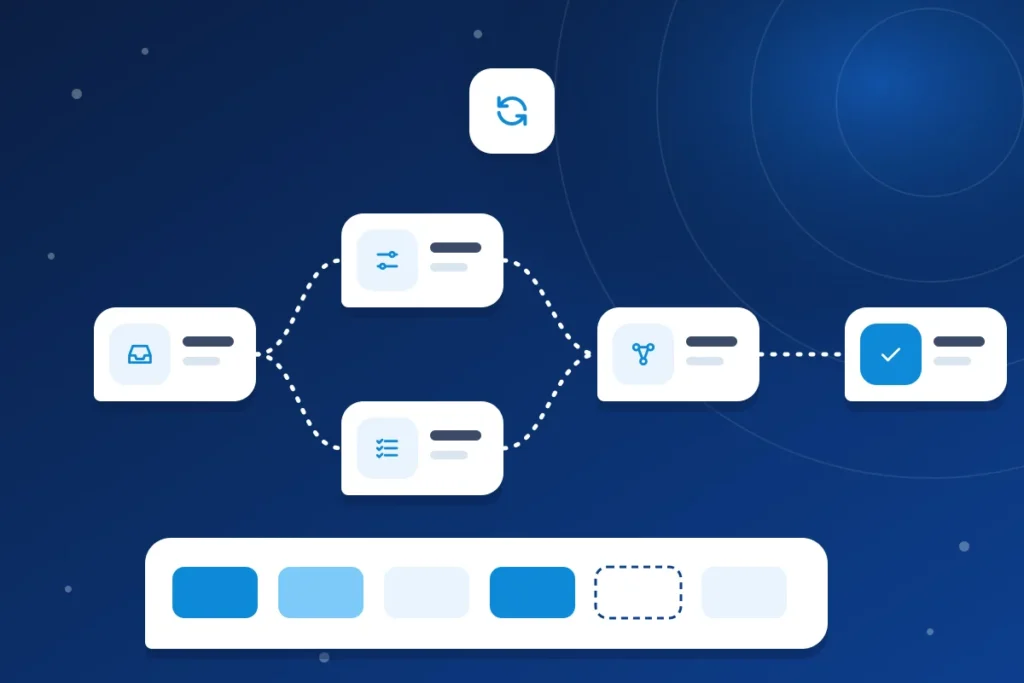
Name your platforms on the call, and we match the candidate to them. This page covers n8n, Zapier and Make.
What an AI automation specialist costs
The rate for this role starts from about £6.50 an hour at the beginner level and rises with experience and skill set. The pricing page lists the roles with set rates. The fee is billed monthly, and we confirm the exact price in writing before you commit.
A worked example
Illustration, not a quote. A small firm wants three workflows built and looked after over two months, and expects about 20 hours a week at first. That is 80 hours a month. At about £6.50 an hour, 80 hours comes to about £520 a month. At 160 hours it comes to about £1,040. Because the rate rises with experience, decide how complex the work is before the call. The price we confirm in writing is the one that counts.
Use the cost calculator to try your own hours, or the automation savings calculator to see what a task costs you now.
A call to talk through the work
Is an AI automation specialist right for you?
An AI automation specialist suits you if
- Your team repeats the same steps every week and the steps follow clear rules.
- You use tools that connect to each other, such as a form, a spreadsheet and a customer system.
- You want a named person who learns your processes.
- You can describe a task step by step, even roughly.
Another role may suit you better if
- You want software built around your own data: the AI developer.
- The work needs judgement on every item and cannot be written as rules: a full time virtual assistant.
- You are still deciding which platform to use: read n8n or Zapier first.
Specialist or agency
| Specialist you hire | Agency you commission | |
|---|---|---|
| Who does the work | One person who works in your team | A team that delivers a project |
| Pricing basis | An hourly rate, billed monthly | A quote for a project |
| Suits | Steady work that keeps changing | A single, defined build |
| Your effort | Regular direction and review | A brief, then acceptance |
For a defined one-off build, an agency can suit better. For steady work that keeps changing, a specialist usually does.

What you should receive from an automation specialist
General guidance, not a promise about any one specialist. You should see a working workflow for each agreed process, a short written description of each one, an alert when a run fails, and a list of what the workflow does not cover and who handles it.
A process audit sheet you can copy
Fill in one row for each task before any building. Change the columns to suit.
| Column | What to write |
|---|---|
| Task | One sentence, for example “send the booking confirmation” |
| Trigger | What starts it: a form, a payment, a date |
| Steps | The actions in order |
| Data | What information moves, and where it lives |
| Rules | The “if this, then that” decisions |
| Exceptions | What needs a person, and who |
| Owner | The person who answers questions about it |
| Time today | Minutes each time, and times a week |
Start with the task that has the most time and the fewest exceptions.
How the work is measured
Check what you can see. Minutes saved on each task, from your own “time today” column. Runs that failed and how long each took to fix. Tasks that now need no person. Steps that still need a person, and why. Review these monthly, and retire a workflow nobody uses.
Checks before you rely on a workflow
- Errors raise an alert. n8n’s guide to handling errors describes an error workflow that starts when a run fails and can send an email or Slack message, and one error workflow can serve several workflows.
- Failed runs can be traced and retried. Zapier’s guide to troubleshooting errors tells you to find the first step marked as an error, read its message and data, fix the cause and replay the run. It also says Zapier turns a Zap off automatically if it errors in 95 percent of runs over seven days after at least 20 runs.
- Each workflow has a named owner on your side.
- Personal data is mentioned in the brief: what it is, where it goes, and who can see it.
- There is a plan for the day a connected tool changes.

Common mistakes
- Automating a process nobody has written down.
- Starting with the hardest task, not the clearest.
- Building with no alert, then finding a month of missed runs.
- Giving the specialist full access to an account where a limited one would do.
- Leaving no description, so the workflow depends on one person.
Worked example: a booking confirmation
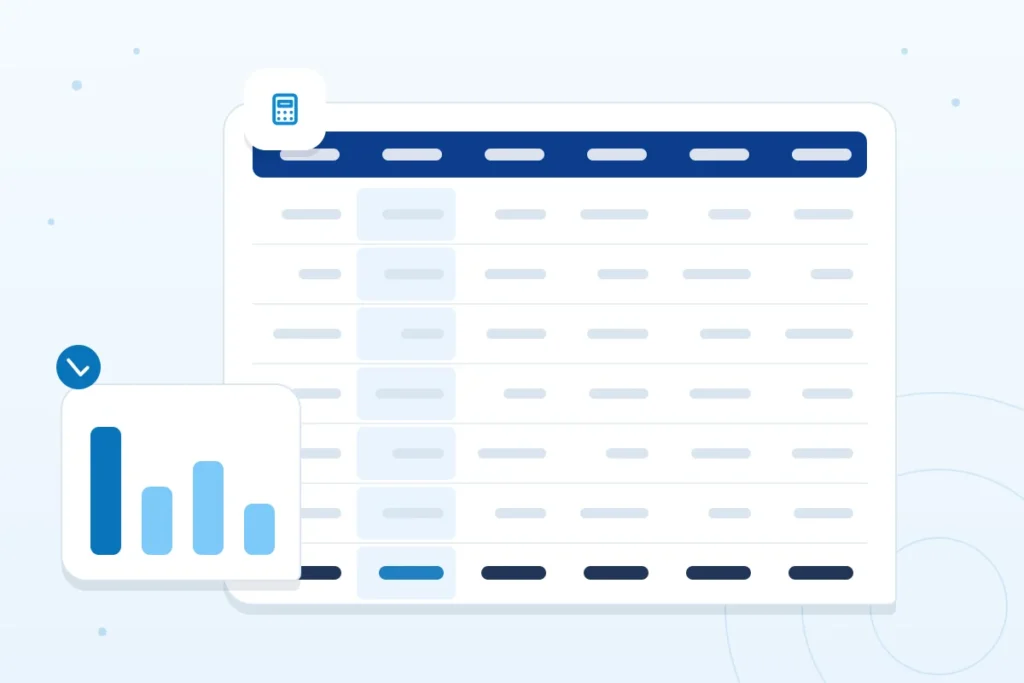
Example only. The firm and steps are invented to show the shape of a brief. No real client is described.
A small training firm sends confirmations by hand. Its audit row reads: trigger, a paid booking; steps, create the customer record, send the confirmation, add the session to a spreadsheet; exception, a refund request goes to the owner. The specialist builds the workflow, adds an alert for failed runs and writes a short description. The firm compares the minutes spent on confirmations before and after, using its own time column.

Questions to ask any automation specialist
- Which platforms have you built on, and can you show me a description you wrote?
- How will I know when a run fails?
- How do you handle personal data in a workflow?
- Who can edit the workflow once you leave?
What is included
The hourly rate covers the whole service: finding the candidate, the four screening steps below, setting up the platforms and tools your assistant needs for your platforms and accounts, hours tracked with tools such as Time Doctor, and our management of recruitment, payroll management and quality management. There is no separate recruitment fee.

How hiring works
We start with a free call about the work and the hours you have in mind. We shortlist candidates who have passed our screening, you interview them and you choose. The earliest start is within 48 to 72 hours of choosing a candidate.
Four screening steps before you meet anyone
- CV screening.
- A first interview on personality and the general benchmark criteria.
- A technical interview.
- A practical task, to test the candidate in the field.
Notice and replacement
In the first 3 months you can end an unsuitable hire on one week’s notice. In the first days you can tell us it is not right and we will replace them. After the first 3 months, notice is 1 month. Replacement is included in the ongoing fee for as long as you are paying, at no extra charge. The 3 months is not a minimum term. The full terms are on how it works.
Questions about hiring an AI automation specialist
What does an AI automation specialist do?
An AI automation specialist builds workflows that carry out a repeated task for you, then looks after them. They map the task, connect your tools in a platform such as n8n, Zapier or Make, set alerts for failed runs and describe what they built. They work from your brief and your accounts.
How much does an AI automation specialist cost?
An AI automation specialist starts from about £6.50 an hour at the beginner level. That is about £520 a month part time at 80 hours and about £1,040 full time at 160 hours. The rate rises with experience and skill set, and we confirm the exact price in writing before you commit. The pricing page lists the roles with set rates.
Should I hire a specialist or use an agency?
Hire a specialist for steady work that keeps changing, such as new workflows each month and upkeep of old ones. Use an agency for a single defined build with a fixed scope. The table above sets out the difference. If you are unsure, describe the work on a free call and we will say which fits. See n8n or Zapier if the platform is the open question.
Related roles
See the AI developer and AI video editor pages, or all AI specialists. For one person’s full week, see the full time virtual assistant.
Get started
Prefer to write? Send an enquiry.
Tell us the role and the hours you have in mind, and we will reply to the email address you give.